Get Chimney Removal in Monmouth County, NJ
Chimney removal services for Monmouth County property owners address unsafe, damaged, or outdated chimneys by providing professional demolition, cleanup, and site restoration.
If you're considering chimney removal for your property in Monmouth County, NJ, you're in the right place to explore your options. Removing an outdated or unused chimney can improve the safety, appearance, and functionality of a home. Property owners often evaluate chimney removal when planning renovations, addressing structural concerns, or updating the overall aesthetic of their homes. Understanding the benefits and practical reasons behind this work can help you make informed decisions as you plan your project.
To find the best solution for your needs, it’s helpful to compare local contractors experienced in chimney removal services. These service providers can offer insights into the scope of work, methods, and considerations specific to properties in Monmouth County. Continuing to explore your options allows for a clearer understanding of what to expect and how to approach your project efficiently.
- Chimney Removal - needed when a chimney is damaged or no longer serves a functional purpose in homes across Monmouth County neighborhoods.
- Chimney Demolition - required when replacing an outdated or unsafe chimney structure in areas like Long Branch or Neptune.
- Chimney Cap Removal - necessary for removing or replacing caps that are causing leaks or blockages in local properties.
- Chimney Stack Removal - performed when a chimney stack is deteriorating or interfering with roof repairs in nearby communities.
- Full Chimney Tear-Down - suitable for homes undergoing renovation or conversion that involve removing existing chimney structures in towns throughout the region.
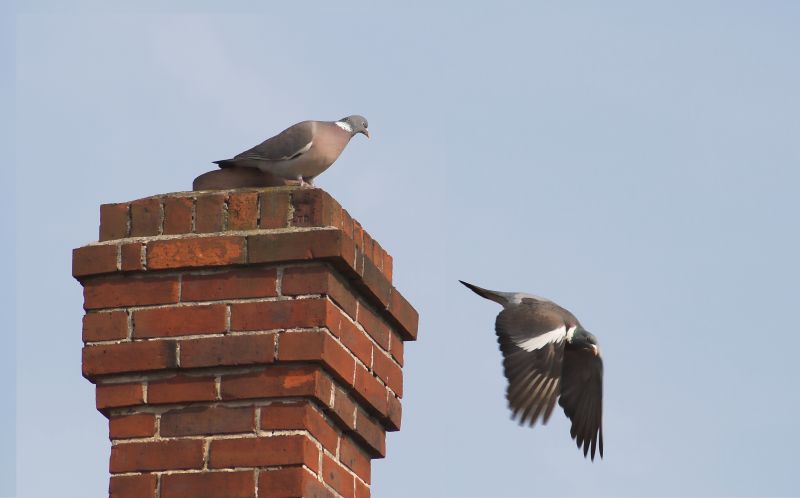
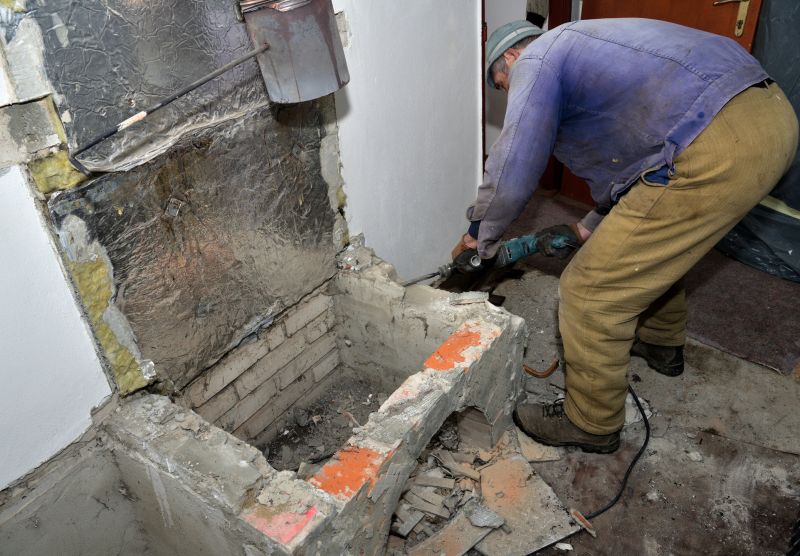
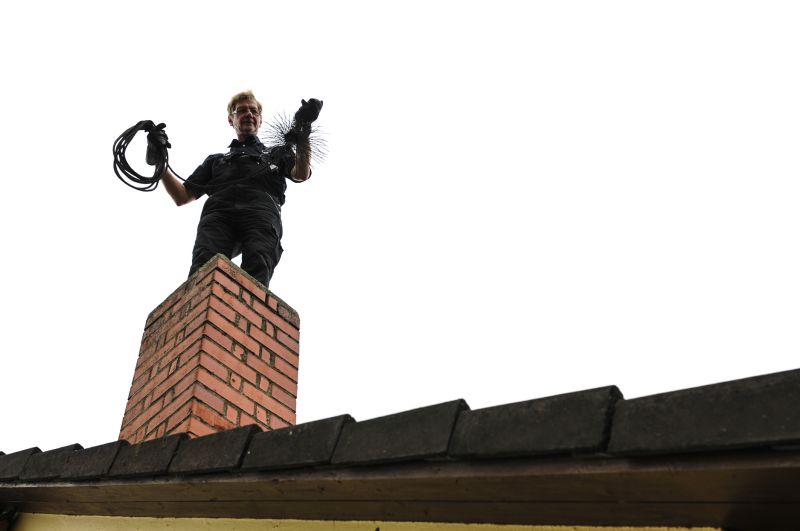
Chimney removal services involve the safe and efficient dismantling of an existing chimney structure that is no longer needed or poses a concern for the property. This process typically includes carefully taking down the chimney from the roofline down to the foundation, ensuring that the surrounding areas remain undamaged. Once the chimney is removed, the space can be repurposed for other construction needs or to improve the property's appearance and functionality. Skilled service providers use specialized tools and techniques to handle different types of chimneys, whether they are brick, stone, or other materials, ensuring the work is completed safely and thoroughly.
Removing a chimney can help resolve several common problems homeowners face. For instance, outdated or damaged chimneys can cause leaks, mold, or structural issues if not properly maintained. In some cases, a chimney may no longer be in use, especially if the homeowner has switched to alternative heating methods. Removing an unused chimney can eliminate potential fire hazards, prevent water infiltration, and improve energy efficiency by reducing drafts. Service providers can assess the condition of the chimney and advise whether removal is a suitable solution to address issues like deterioration, structural instability, or simply to enhance the property's overall safety.
Chimney removal services are often sought by homeowners of various property types, including older houses, renovations, or homes undergoing remodeling projects. These services are also common in commercial or multi-family buildings where an outdated chimney no longer serves a purpose or causes problems. Property owners may choose to remove a chimney to modernize the building’s appearance, create additional interior space, or prepare for new construction or roofing work. Whether for a single-family residence or a larger property, experienced contractors can handle the specific requirements of each project, ensuring the work is done safely and in accordance with local standards.
Understanding when to consider chimney removal can help homeowners make informed decisions about their property. If a chimney is structurally compromised, no longer used for venting, or causing issues such as leaks or drafts, it may be time to explore removal options. Service providers can evaluate the condition of the chimney and discuss the best approach for removal or alternative solutions. Contacting local contractors for an assessment can provide clarity on whether chimney removal is the right step to improve safety, functionality, or aesthetics of a home or commercial building in Monmouth County, NJ, and nearby areas.
The overview below groups typical Chimney Removal projects into broad ranges so you can see how smaller, mid-sized, and larger jobs often compare in Monmouth County, NJ.
In many markets, a large share of routine jobs stays in the lower and middle ranges, while only a smaller percentage of projects moves into the highest bands when the work is more complex or site conditions are harder than average.
Smaller Repairs - typical costs for minor chimney removal projects range from $250-$600, covering tasks like removing a single chimney section or clearing minor obstructions. Many routine jobs fall within this middle range, depending on chimney height and accessibility.
Partial Removal - for removing larger portions of a chimney, costs generally range from $1,000-$3,000. These projects often involve partial dismantling or removal of multiple sections, with fewer jobs reaching the higher end of this range.
Full Chimney Removal - complete removal of an entire chimney can cost between $3,500-$8,000, depending on size and complexity. Larger, more intricate projects tend to push toward the upper end of this spectrum.
Full Replacement - replacing an entire chimney structure and rebuilding can range from $8,000-$15,000 or more. These extensive projects are less common and typically involve significant structural work requiring more labor and materials.
Actual totals will depend on details like access to the work area, the scope of the project, and the materials selected, so use these as general starting points rather than exact figures.
Chimney Cap Installation - local contractors often handle the installation and removal of chimney caps, requiring similar skills in working at heights and with masonry materials.
Flue Liner Replacement - replacing or repairing flue liners involves planning and working with specialized tools, comparable to chimney removal projects.
Chimney Inspection and Assessment - thorough inspections involve assessing structural components, similar to planning for chimney removal and ensuring safety.
Masonry Repair and Restoration - repairing damaged brickwork or mortar shares skills with chimney removal, including working with masonry tools and materials.
Roof Flashing and Repair - tasks that involve working on roof penetrations and sealing, often performed alongside chimney removal or replacement services.
Storm Damage Repair - fixing damage caused by storms to chimneys and rooftops requires similar planning and skilled work as chimney removal projects.
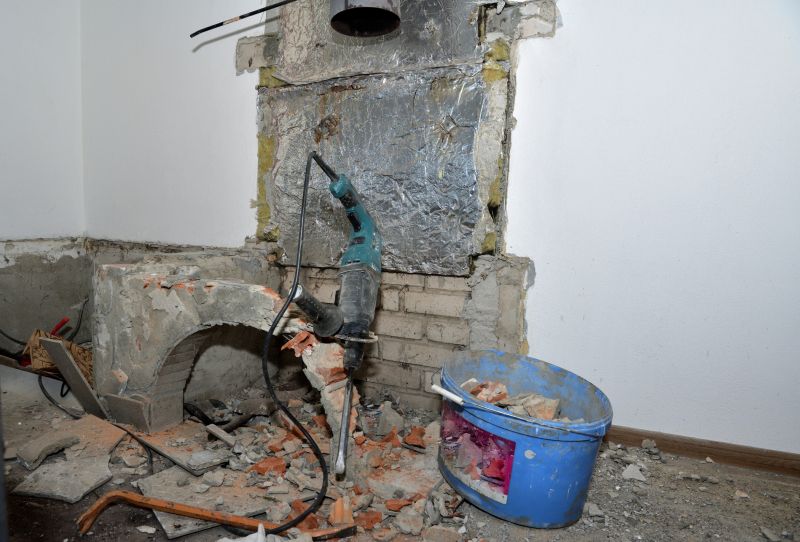
When evaluating chimney removal services, it’s important for homeowners to consider the experience of local contractors with similar projects. An experienced service provider will have a history of completing chimney removals safely and efficiently, demonstrating familiarity with the specific challenges that can arise during such work. Asking about the types of properties they have worked on and the scope of their past projects can help gauge their capability to handle the unique aspects of each removal, ensuring the job is managed with competence and professionalism.
Clear, written expectations are essential when selecting a service provider for chimney removal. Homeowners should seek out contractors who can provide detailed estimates and scope of work in writing, outlining what is included and what is not. This transparency helps prevent misunderstandings and ensures that both parties are aligned on the project’s parameters. A reputable local contractor will be willing to communicate these details openly, making it easier to compare options and make an informed decision.
Good communication and reputable references are key indicators of a reliable chimney removal service. Homeowners should inquire about references from previous clients who had similar work done, as this offers insight into the contractor’s reliability and quality of service. Additionally, responsive and clear communication throughout the process reflects a professional approach and helps address questions or concerns promptly. Connecting with trusted local service providers ensures that the project is managed smoothly and meets expectations, even though the site itself does not perform the work directly.
Property owners in Monmouth County, NJ use Chimney Removal services for practical projects around their homes and businesses. This guide focuses on everyday jobs and straightforward project options.
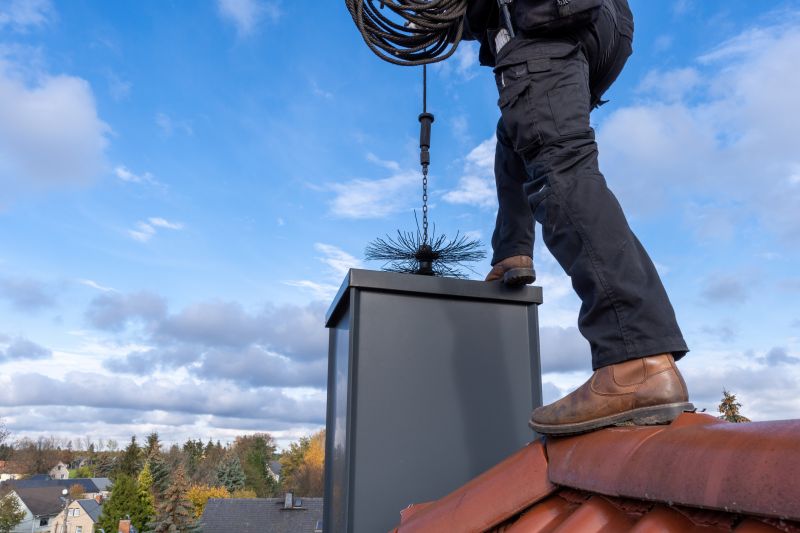
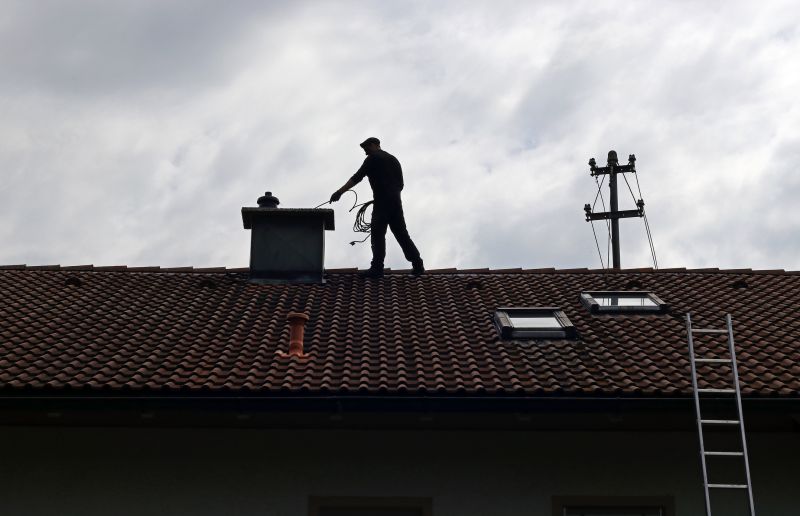
Chimney removal services are often sought by property owners in Monmouth County, NJ, when outdated or unused chimneys no longer serve a functional purpose or pose potential safety concerns. For example, homes that have transitioned to alternative heating methods may require the removal of an old chimney to improve yard aesthetics or to create additional outdoor space. Additionally, some property owners may find themselves needing to remove a chimney that has become structurally compromised or is no longer in use after renovations, ensuring the safety and integrity of the building.
Local contractors capable of handling chimney removal are frequently contacted by homeowners facing issues such as water damage, mold, or pests infiltrating neglected chimneys. Others may seek removal when preparing a property for sale or renovation, aiming to modernize the exterior or meet updated building codes. Whether driven by safety, functionality, or aesthetic reasons, property owners in Monmouth County can find experienced service providers to manage chimney removal projects efficiently and safely.
When is chimney removal necessary? Chimney removal may be considered when a chimney is damaged beyond repair, no longer in use, or to improve the safety and appearance of a property. Local contractors can assess if removal is appropriate for specific situations.
What are common reasons to remove a chimney? Common reasons include structural issues, renovation projects, or the chimney being obsolete due to the installation of alternative heating systems. Service providers can evaluate the condition and advise on options.
How do local contractors handle chimney removal? Experienced service providers typically perform a thorough assessment, safely dismantle the chimney, and ensure proper disposal or recycling of materials, following safety standards and building codes.
Are there any permits required for chimney removal? Permit requirements vary by location; local authorities or service providers can clarify if a permit is needed before beginning chimney removal work.
What should be considered before removing a chimney? Factors include the structural integrity of the building, potential impact on the roofline, and future plans for the property. Consulting with local contractors can help determine the best approach.
Chimney Removal for Renovations - Property owners planning home updates can consider chimney removal to maximize interior space and improve layout.
Preparing for New Roofing or Siding - Removing an outdated or damaged chimney can create a smooth surface for new roofing or siding installations.
Addressing Structural Concerns - When a chimney becomes unstable or causes damage to the property, local contractors can safely remove it to prevent further issues.
Eliminating Obstructions for Outdoor Projects - Removing a chimney can open up outdoor areas for landscaping, patio construction, or extension projects.
If you are thinking about Chimney Removal for a property in Monmouth County, NJ, this guide is meant to help you understand the work, the typical project types, and how different options might fit your plans.
When you are ready, you can use the quote form on this page to share a few details about your project. From there, local pros can review the basics and respond with options that match what you have in mind.